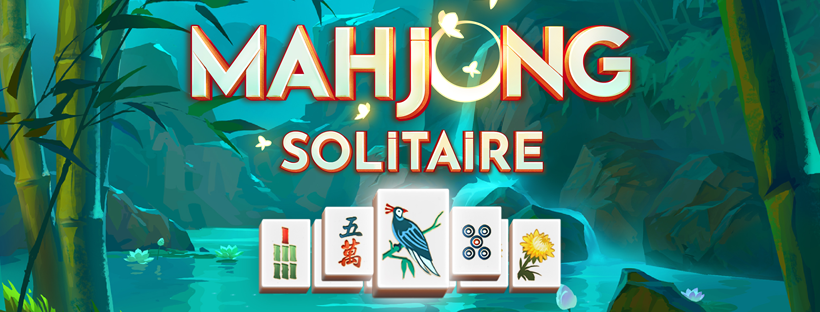
My primary role in this project was to ensure that the game's design, gameplay, and overall user experience were exceptional. Mahjong Solitaire, despite its simplicity, aimed to bring joy to players through engaging interactions and customizable features.
By focusing on intuitive controls, a balanced difficulty curve, and incorporating user feedback, we worked towards ensuring that Mahjong Solitaire captivated players and provided them with a delightful and personalized gaming experience.
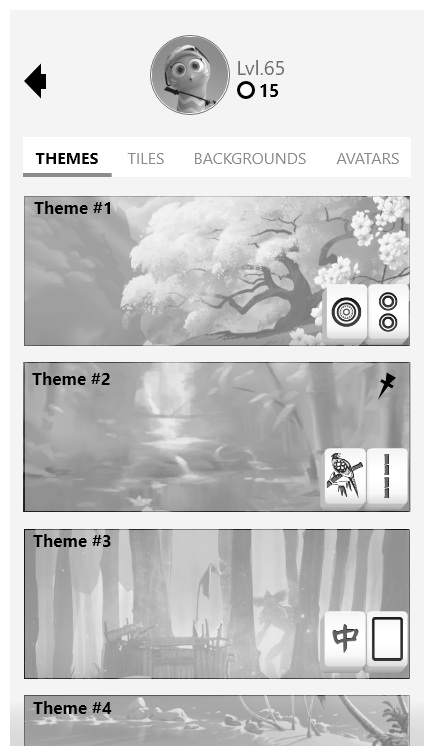
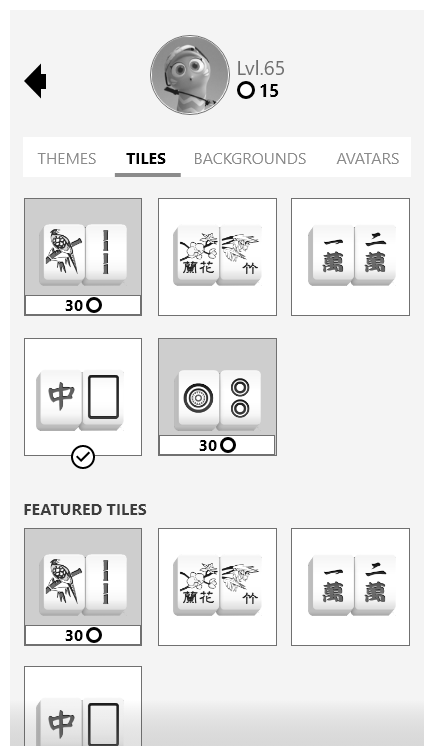
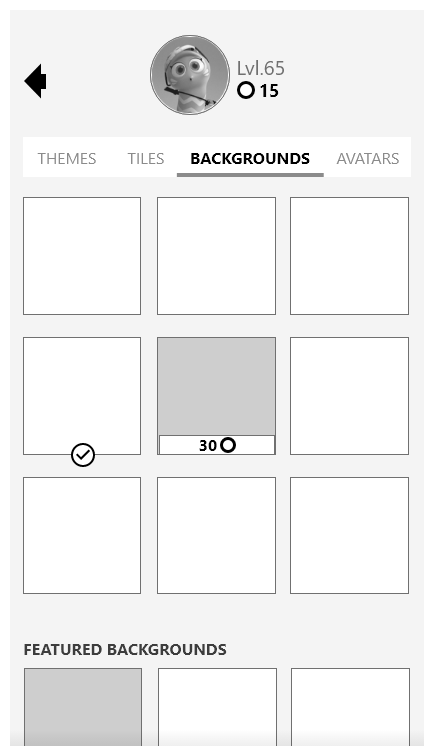

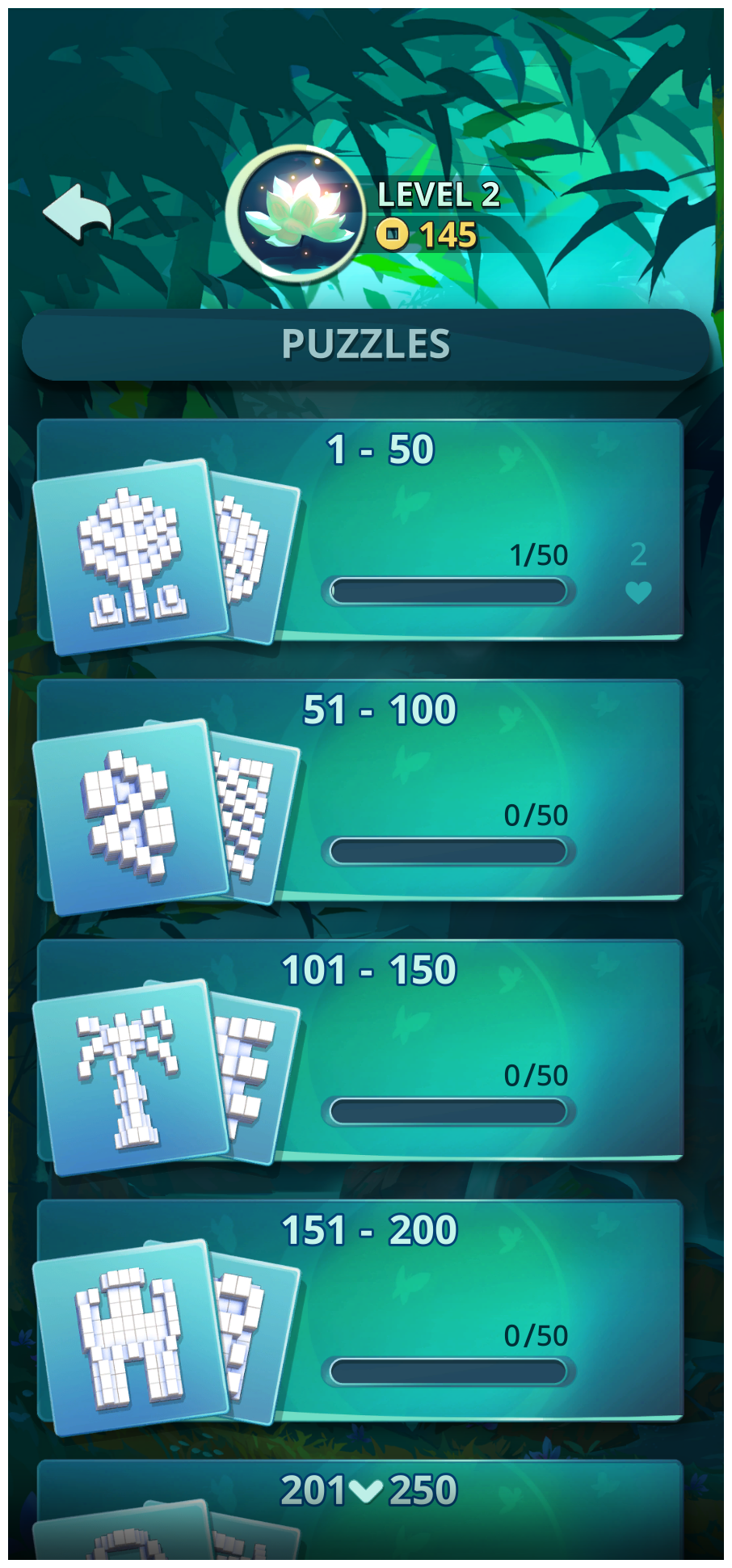
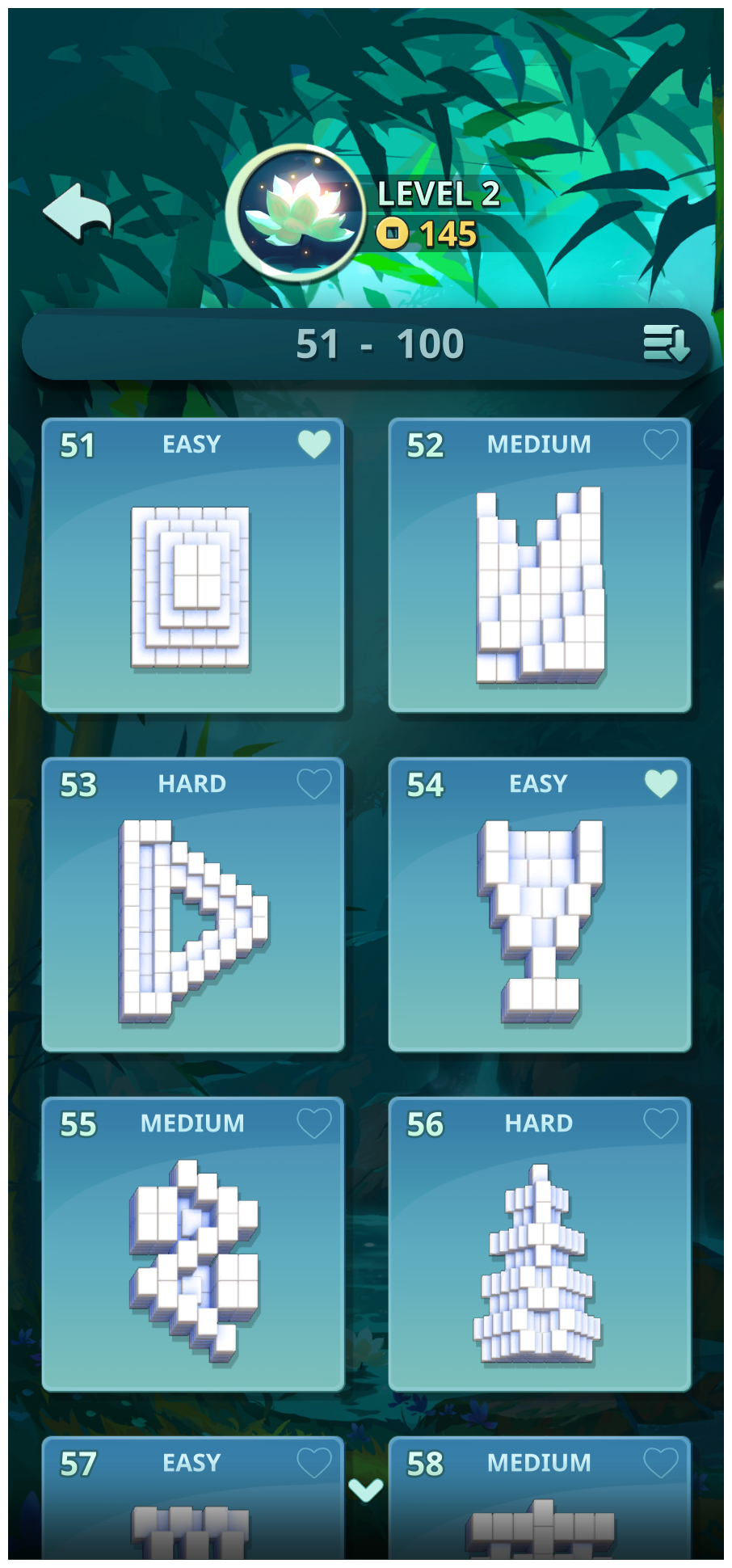
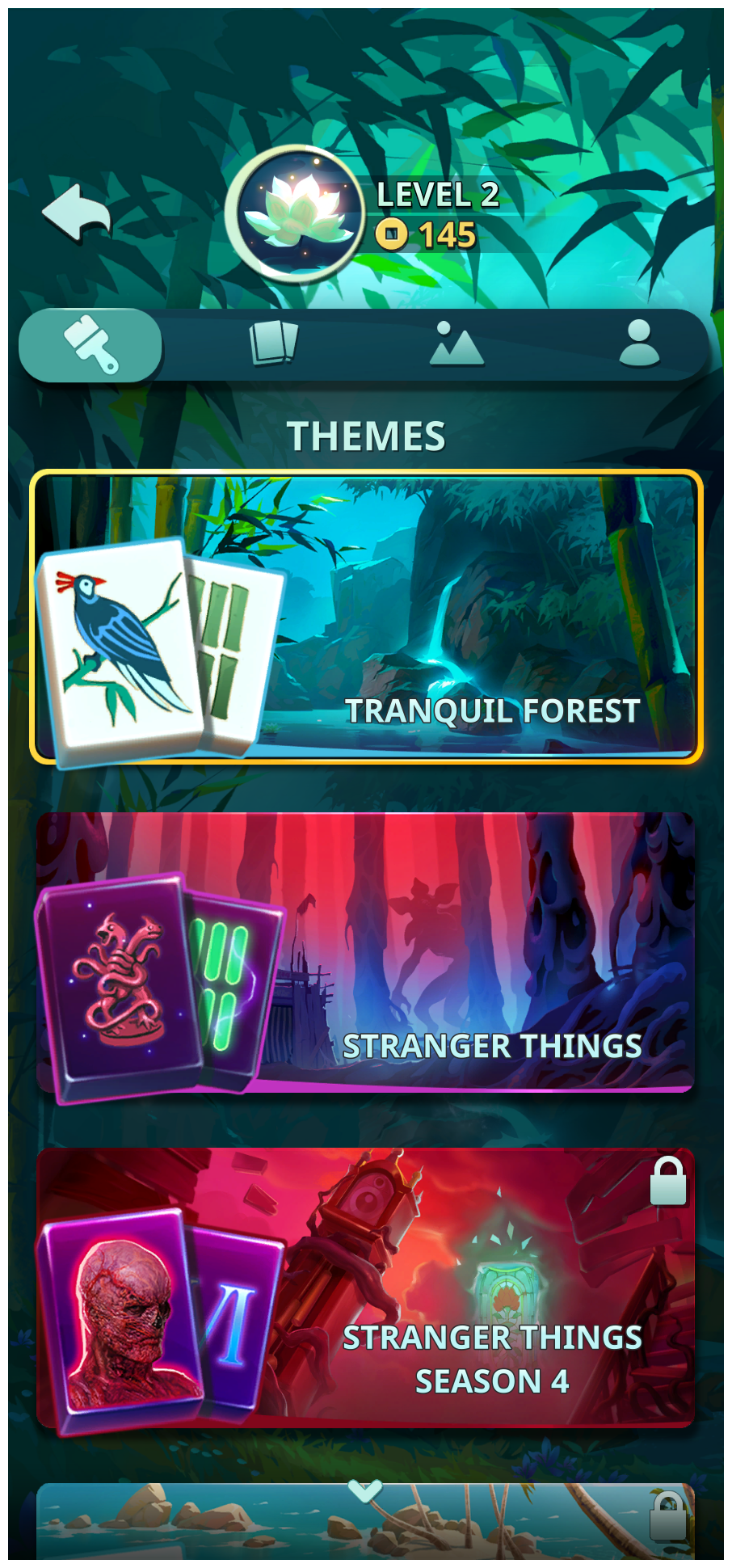
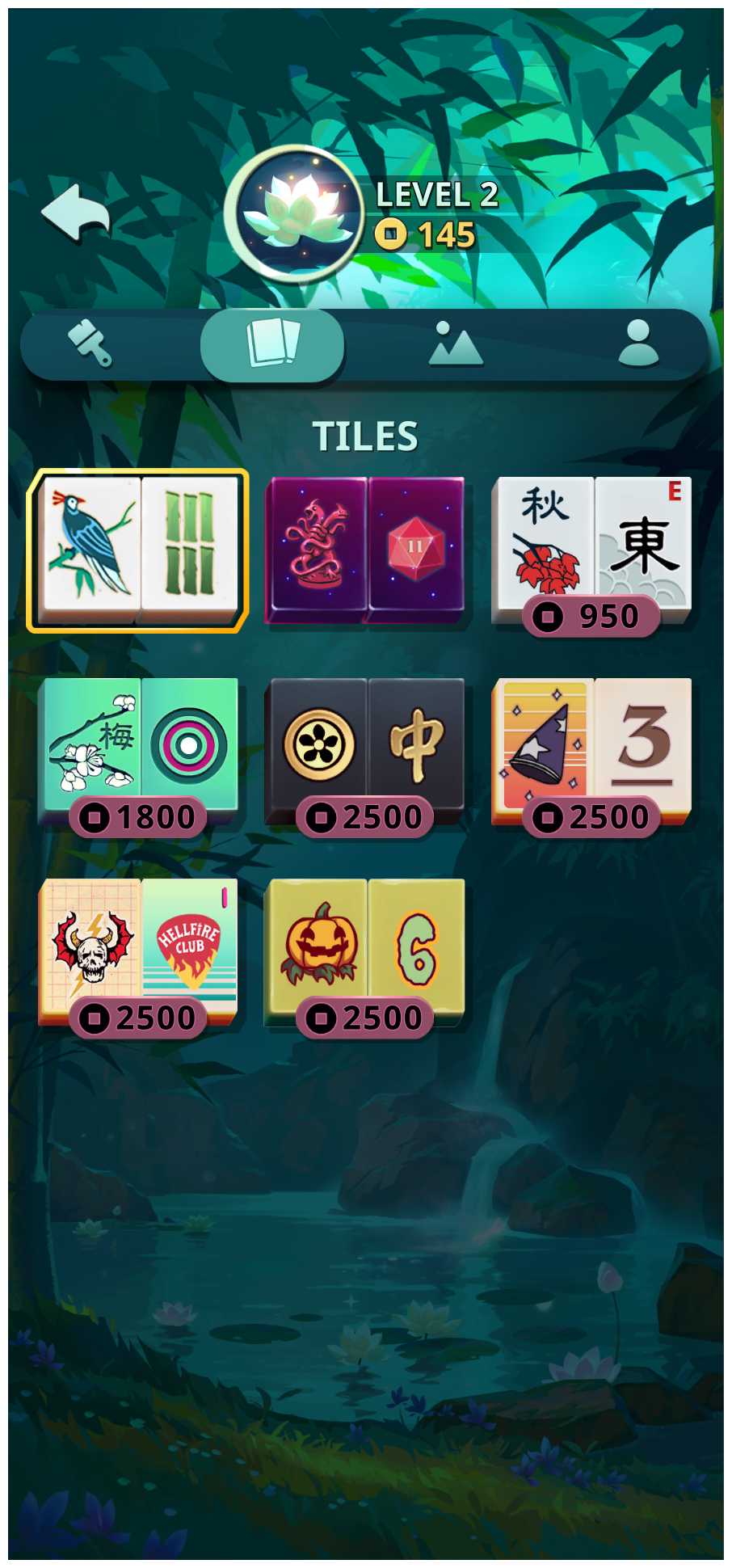
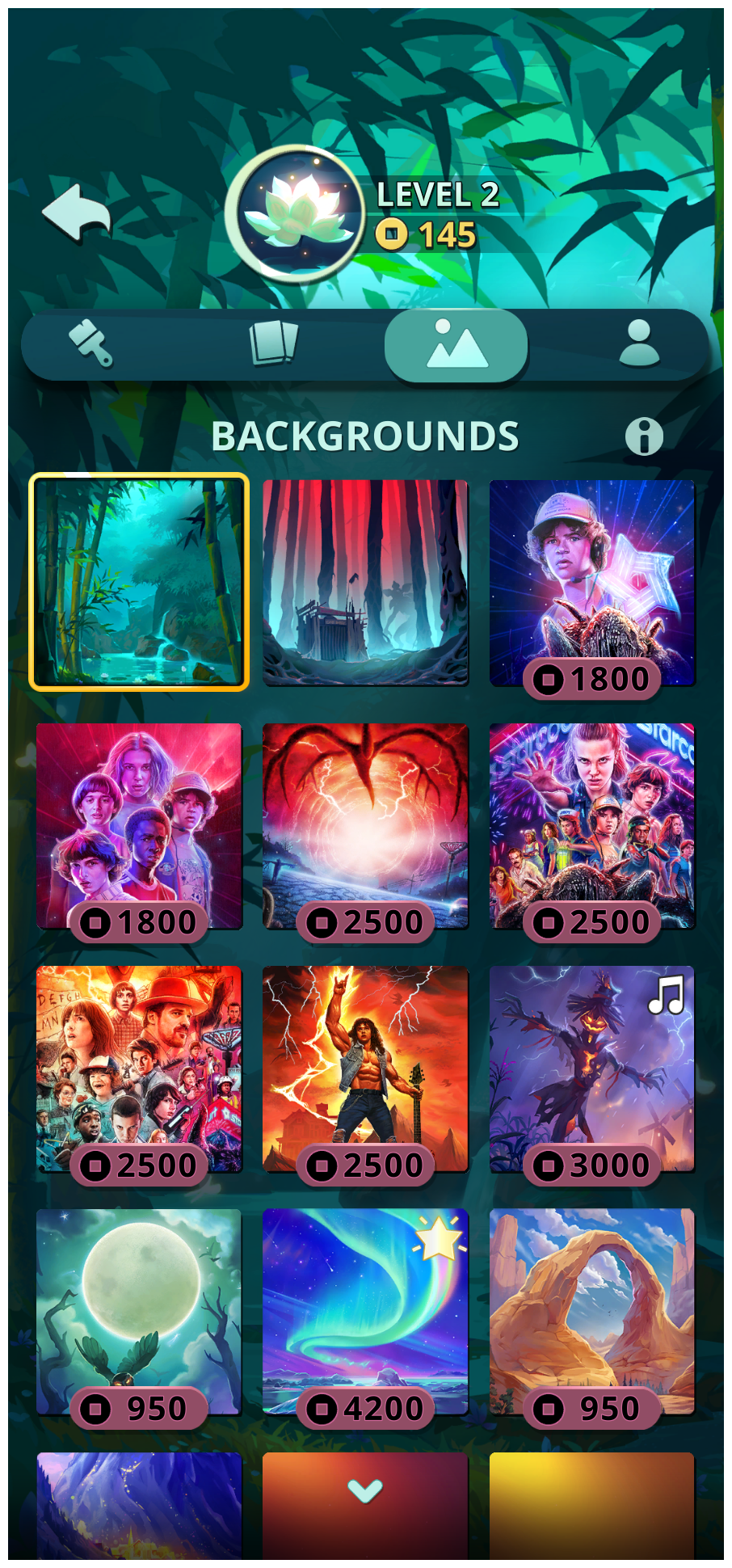
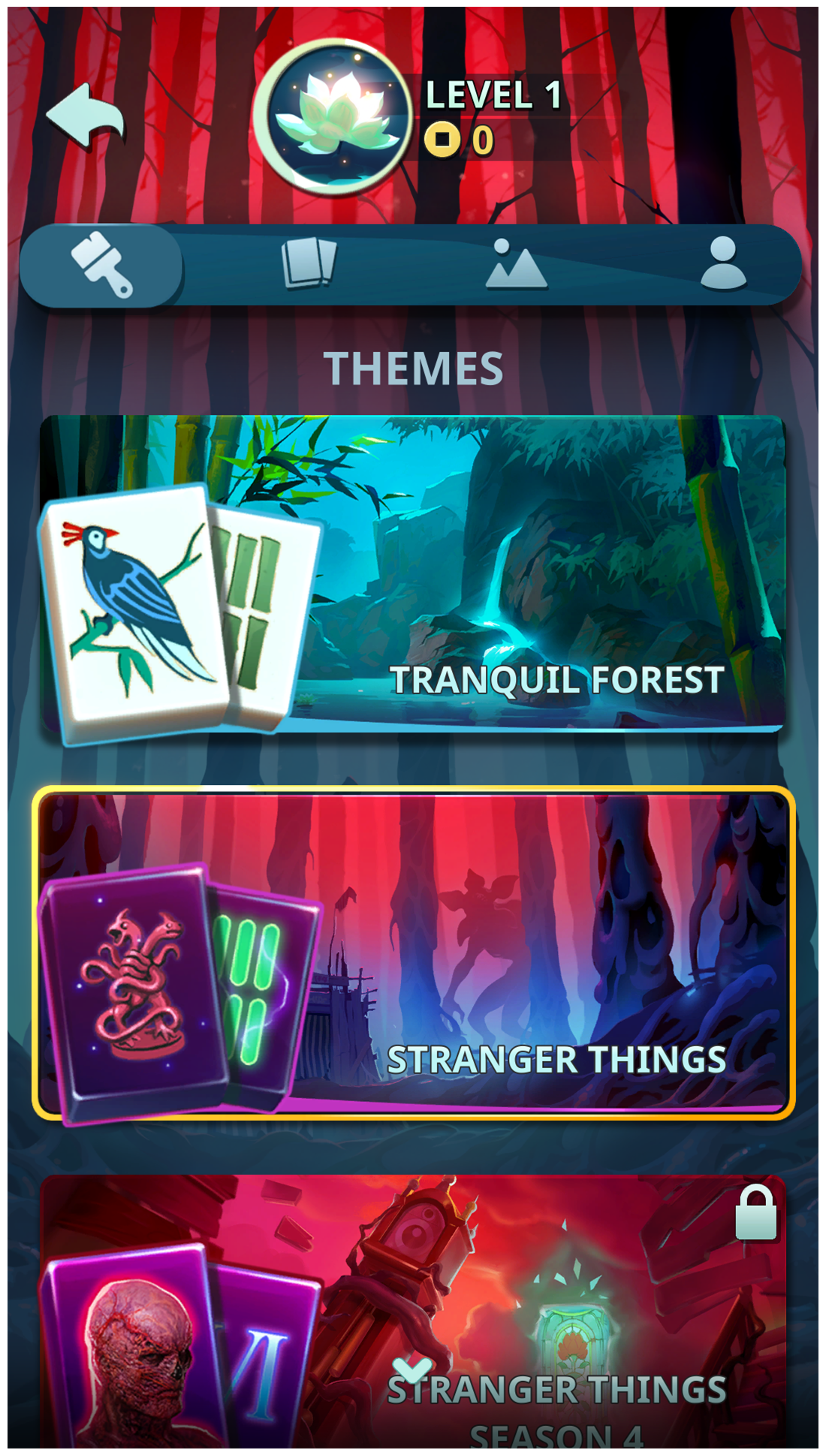
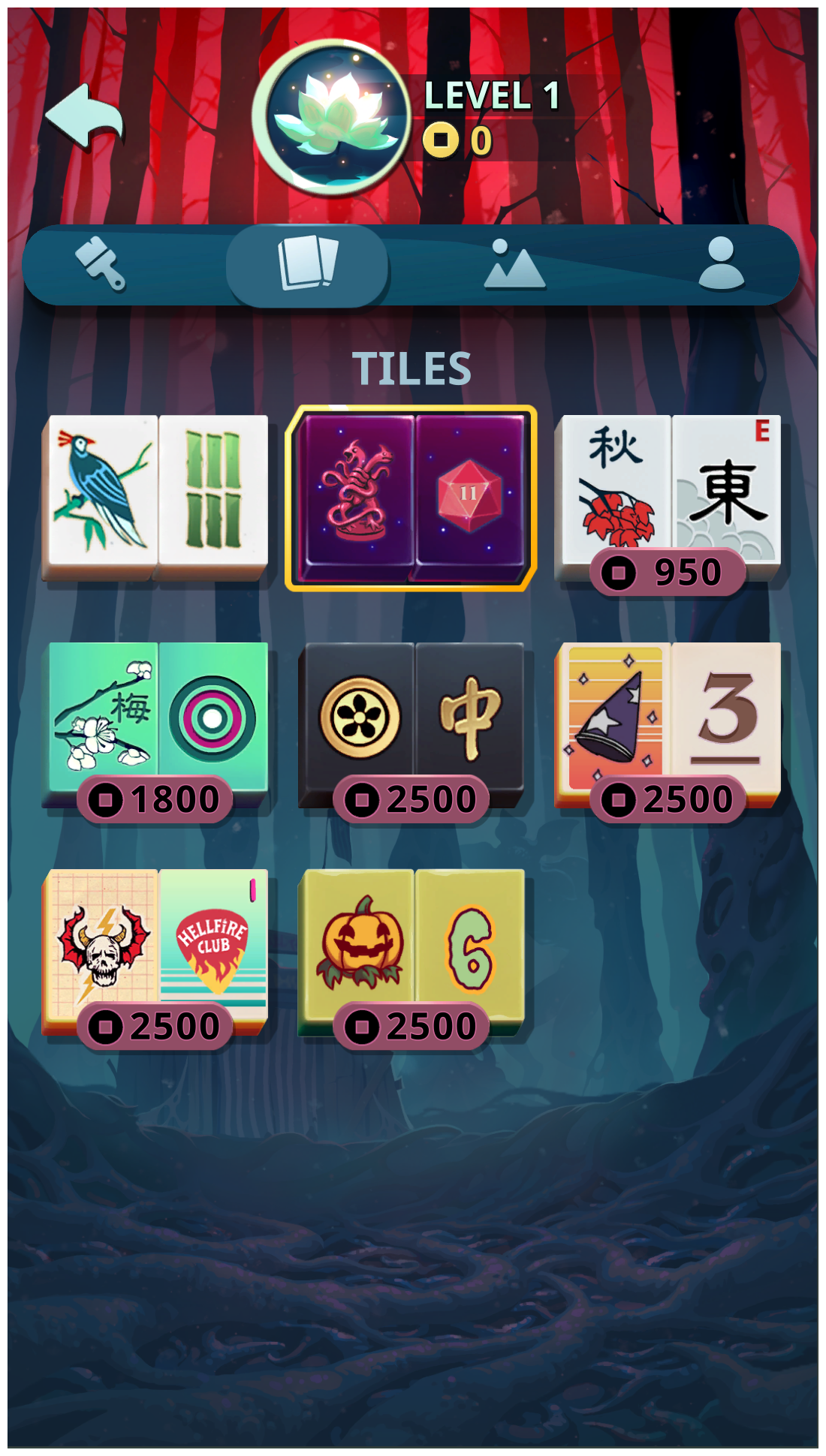
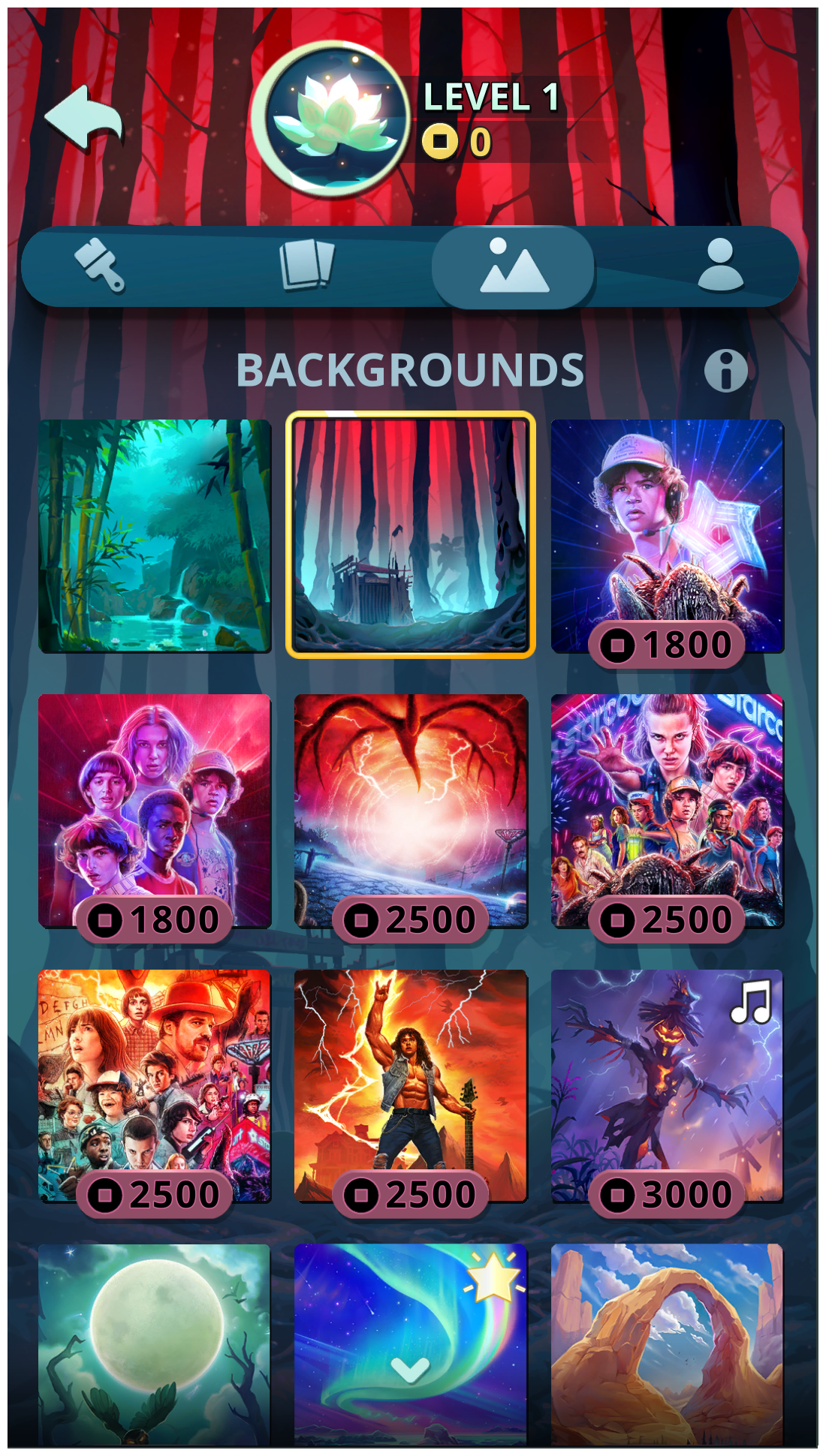
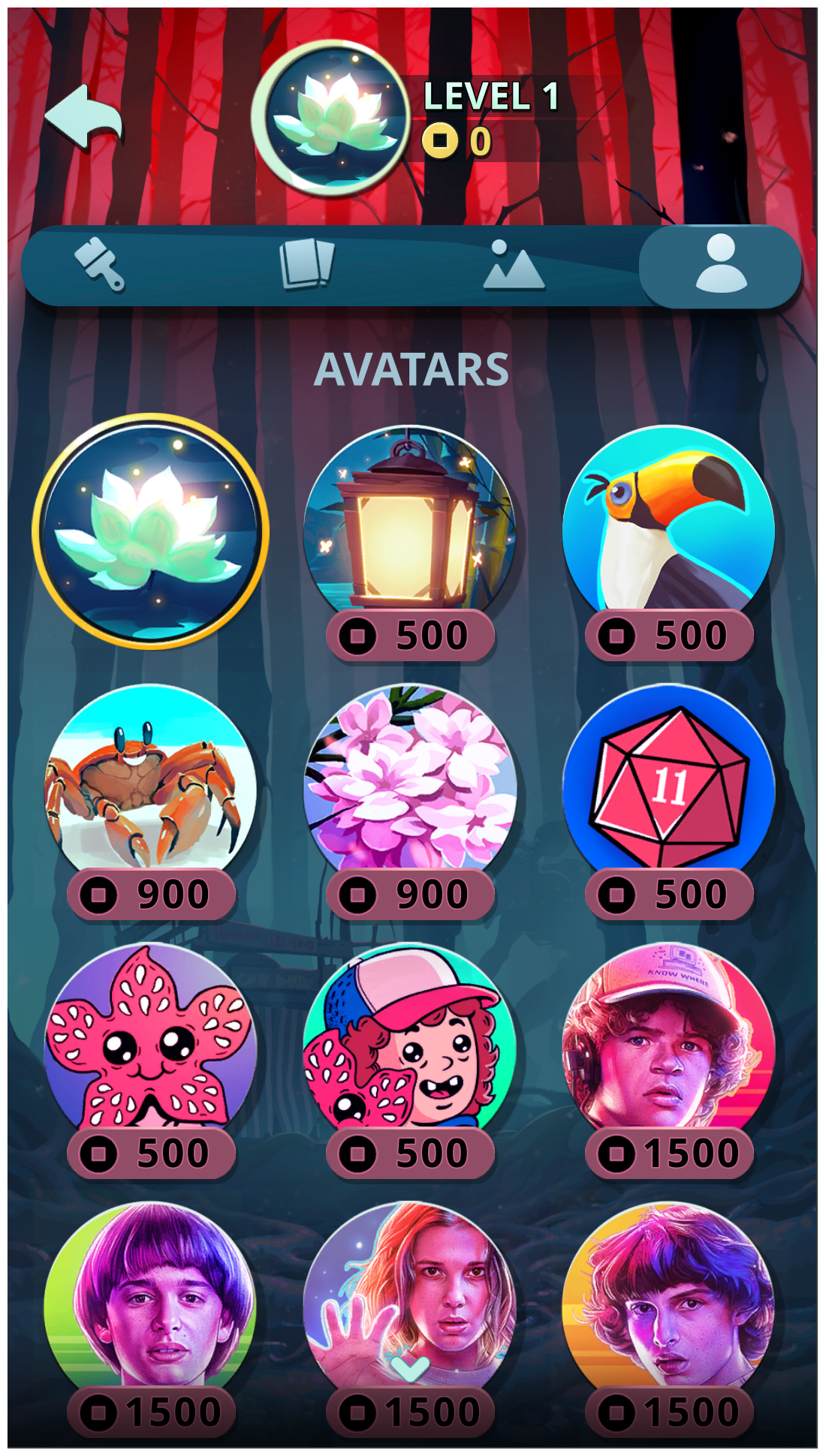
One of the game's standout features was its ability to allow players to customize various elements, including backgrounds, UI elements, and tiles. By providing a wide range of options for customization, we aimed to make the game more personalized and enjoyable for players. This not only enhanced the visual appeal but also allowed players to create a unique and immersive experience that suited their preferences.
By providing customization options, we have created a deeper connection between the game and the players, fostering a sense of ownership and engagement.
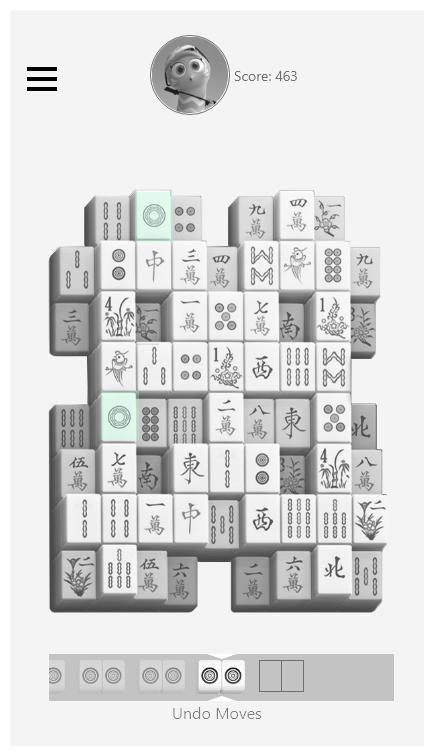
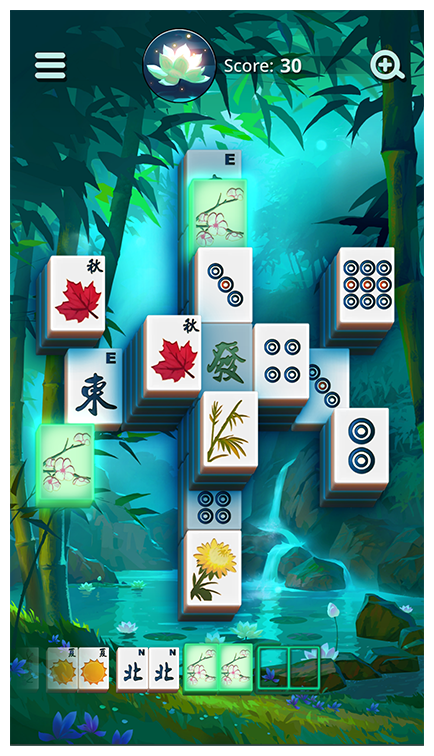
The undo system in Mahjong Solitaire introduced an innovative approach to the gameplay, providing players with the ability to go back on their moves while also offering a visual preview of each move made. This feature offered players a better understanding of their choices and allowed them to make strategic decisions with more confidence.
By incorporating this undo system, we aimed to eliminate frustration, encourage experimentation, and enhance the overall enjoyment of the game.
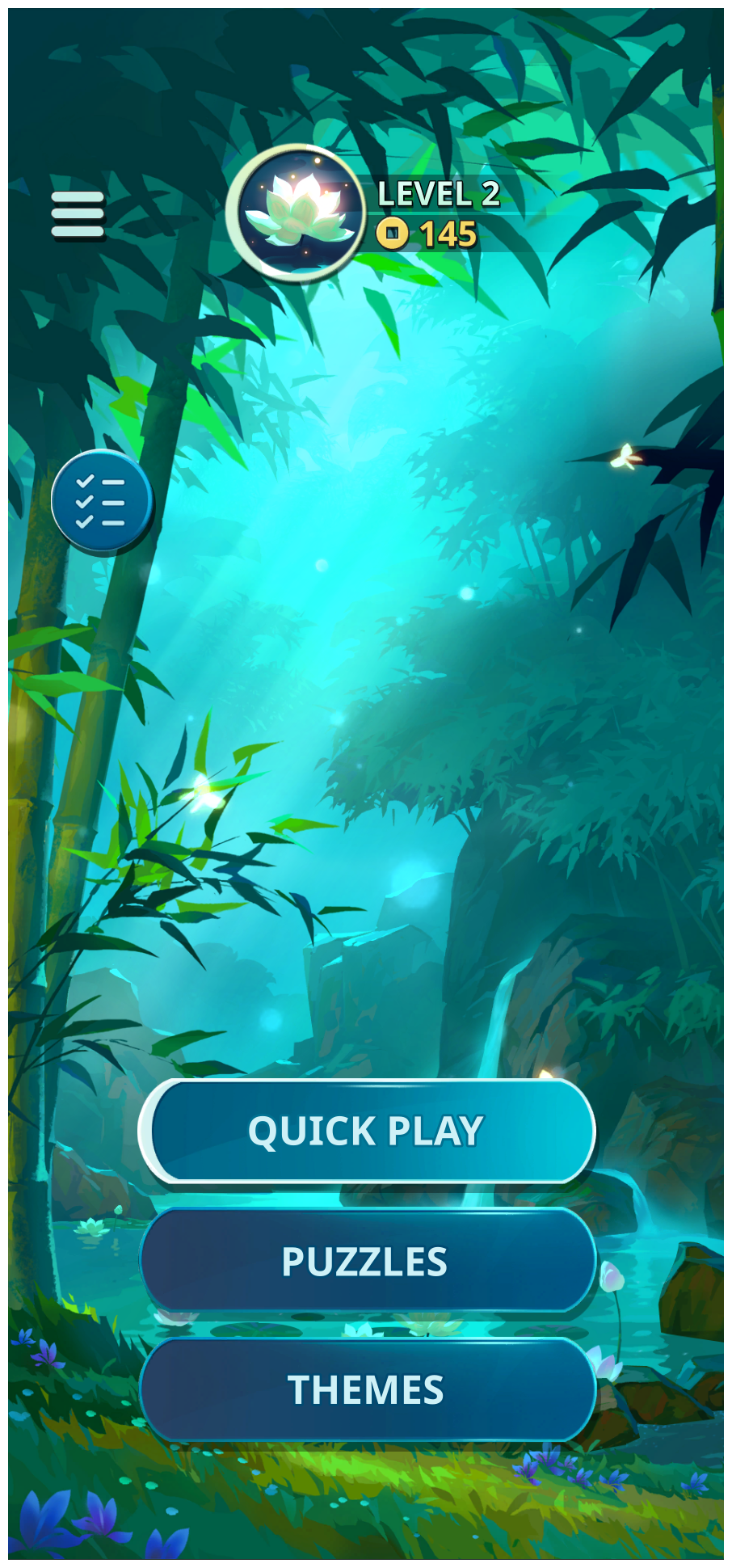
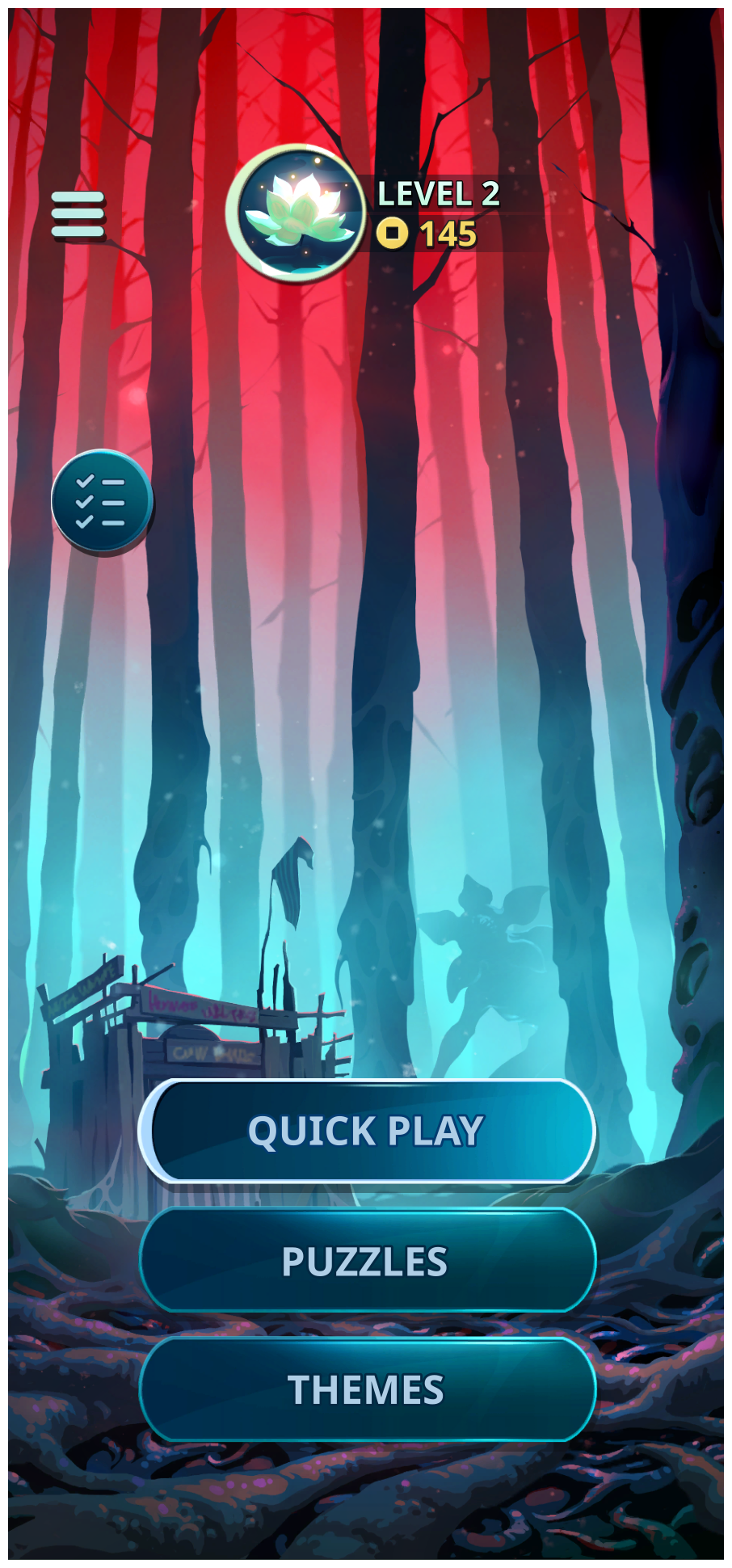
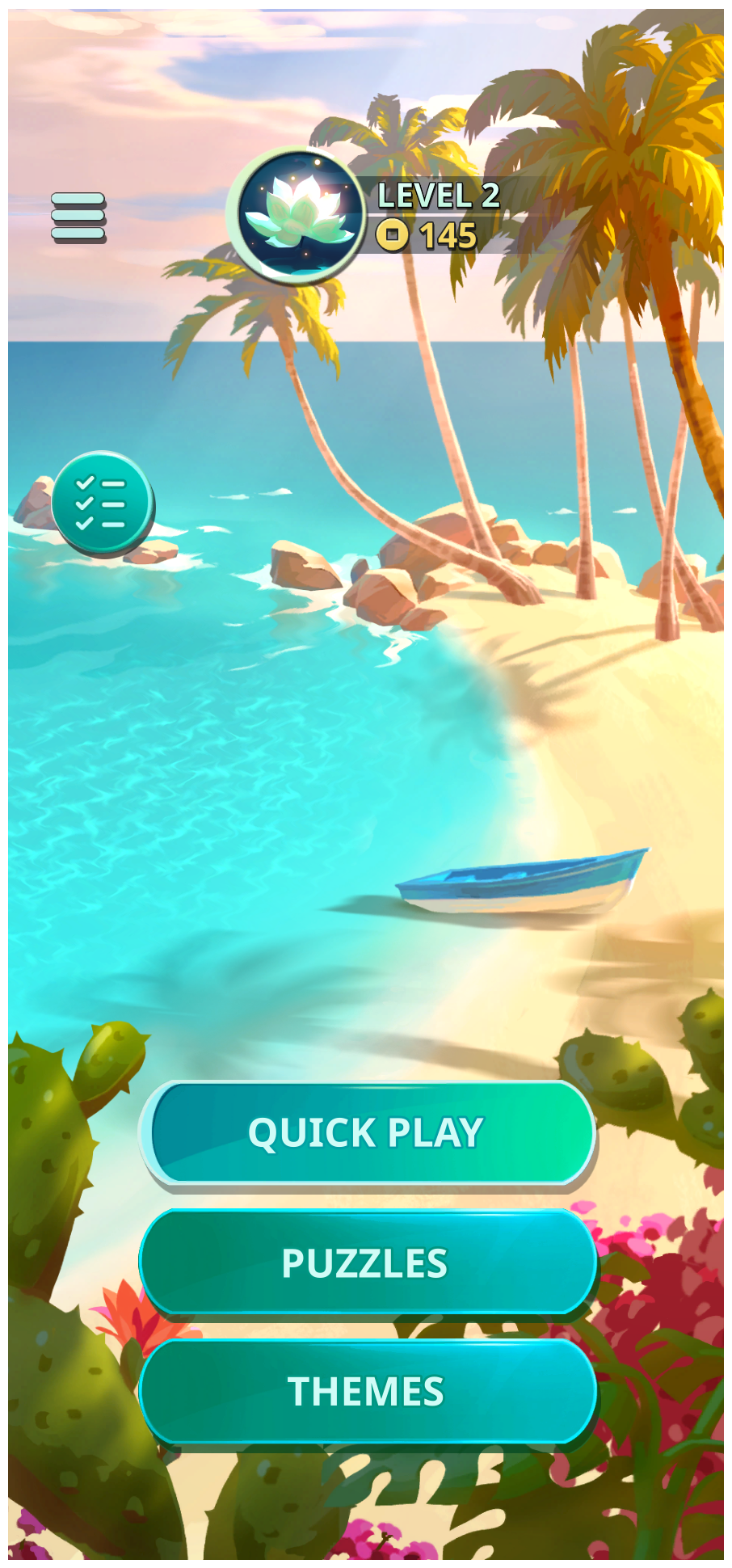
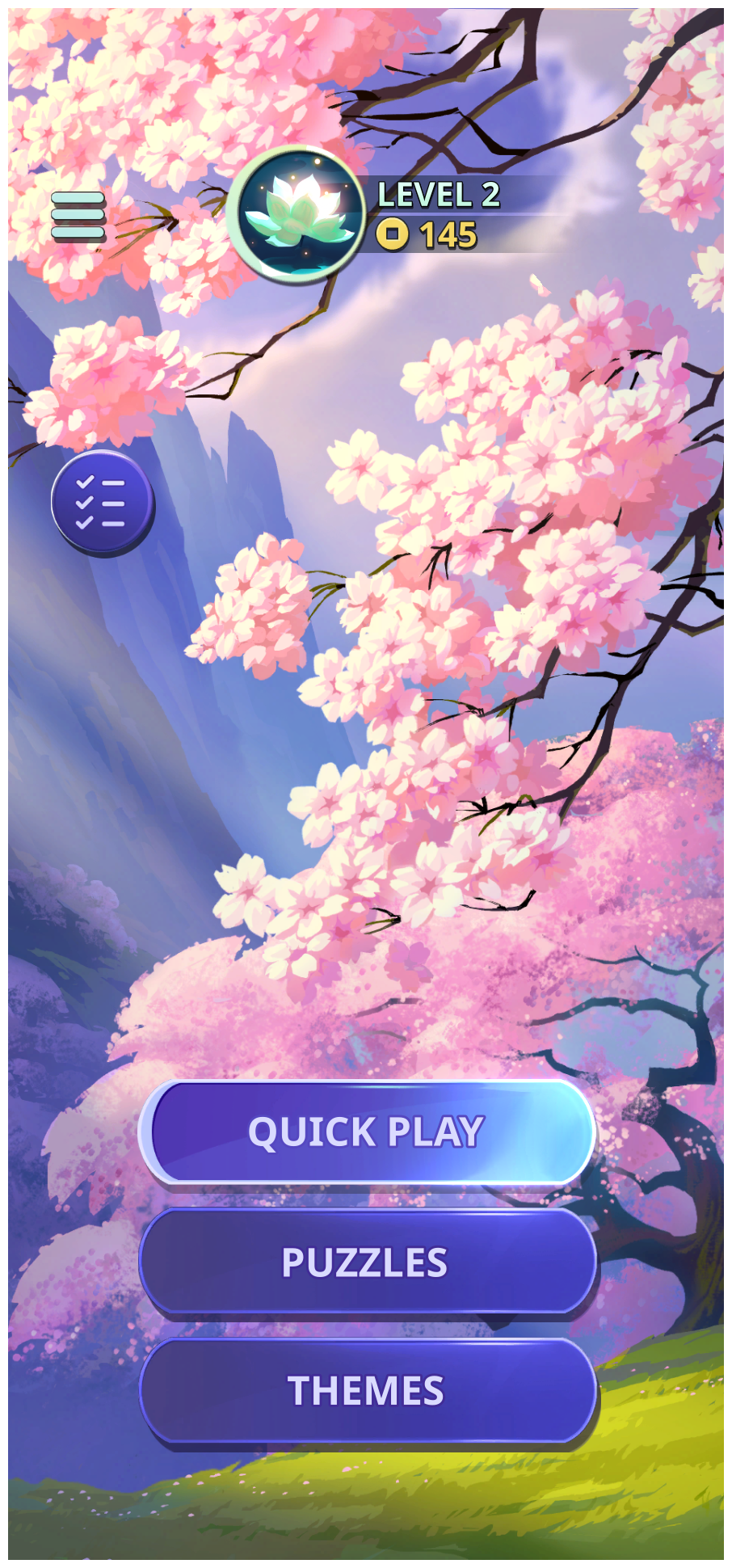
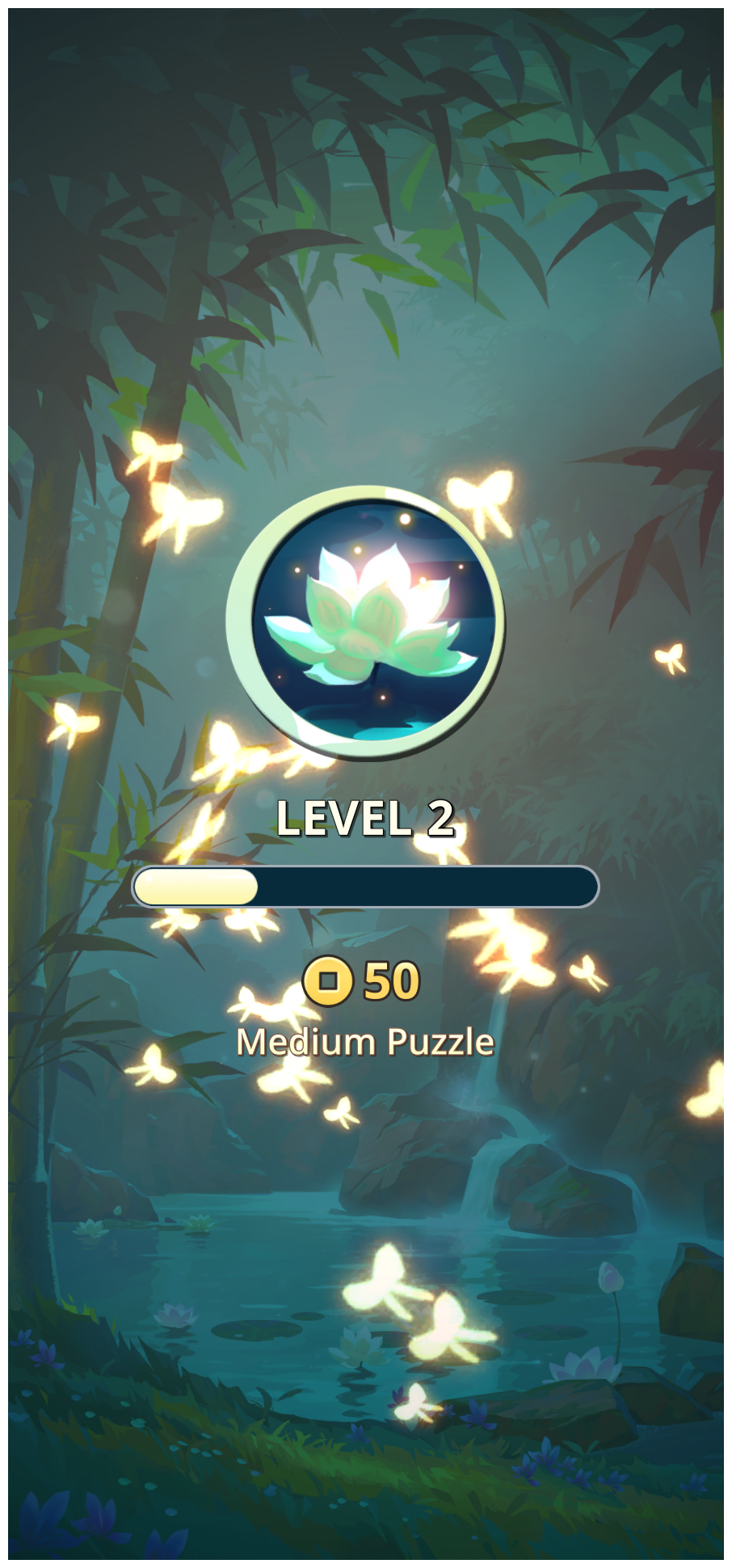
We carefully selected color palettes that were compatible with each theme. We acknowledged that different colors evoke different emotions, so we aimed for a cohesive visual atmosphere in each theme. For example, a serene and tranquil theme might feature soft pastel tones, while an adventurous(stranger things) theme might incorporate bold and vibrant colors.
Implementing four distinct themes presented its own set of challenges. We understood that the color combinations, special effects (FX), and overall mood of the game could either enhance or hinder the game experience. This customization was not solely limited to changing themes; players could also modify individual elements. This presented the risk of creating a mix of unrelated UI elements, FX, and sound effects that could disrupt the cohesion of the game.
To address this challenge, we approached the customization feature with great diligence. Instead of treating each asset separately, we considered how they could be harmoniously paired together to maintain a consistent visual and auditory experience.
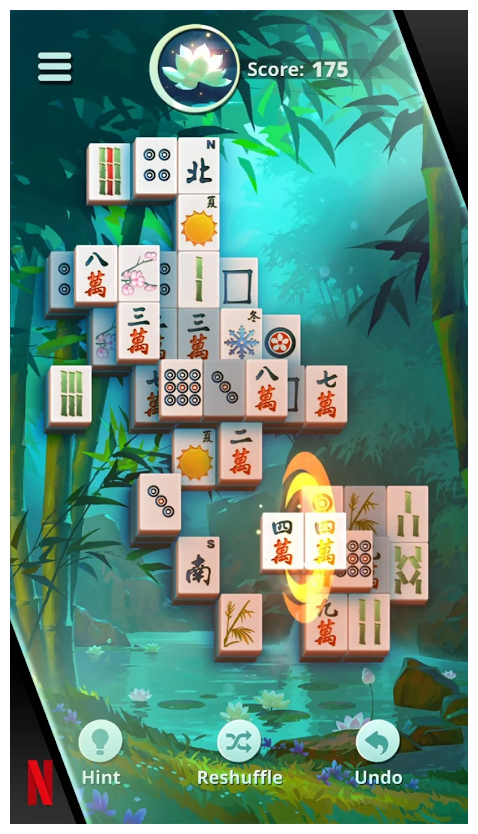

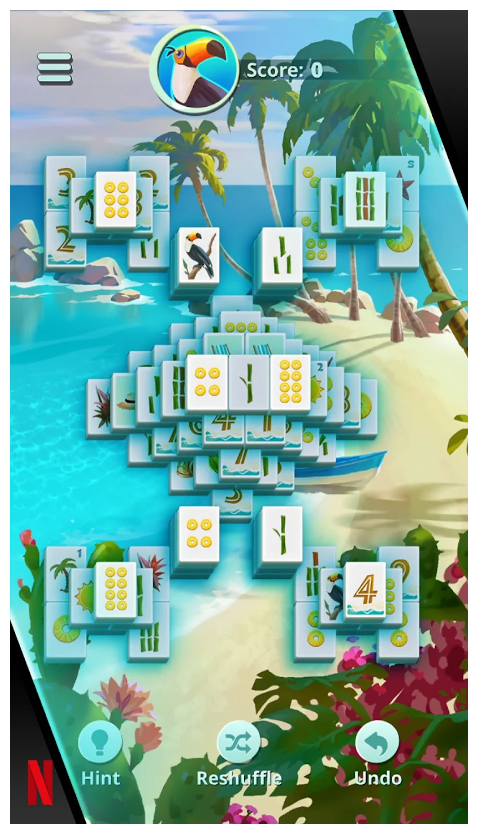
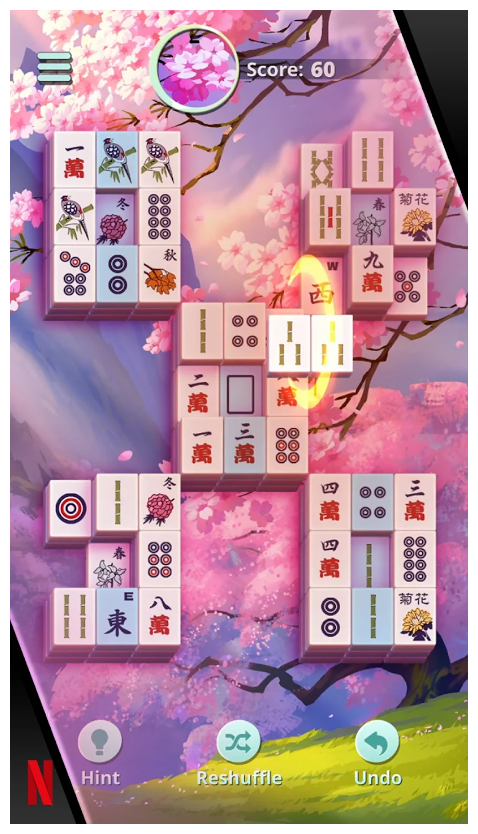
Moreover, we paid close attention to the overall mood and visual style of the game. Each theme had its own unique aesthetic and had a direct impact on the gameplay, which encompassed not only the backgrounds but also tiles, sound and ambience design. By carefully curating and designing these assets together, we maintained a cohesive and engaging experience for players, irrespective of their customization choices.